How to Handle a Clogged Drain in São Mateus: A First-Timer’s Account
It was a Tuesday evening when the kitchen sink in my São Mateus apartment stopped draining. Within an hour, dirty water was backing up into the shower, and I had no idea whether to grab a plunger or call someone. If you are facing the same mess right now, here is the short answer: for a slow drain, try a plunger and hot water first; for a full backup with sewage smell, call a desentupidora em São Mateus São Paulo SP immediately. What follows is exactly what happened to me, in order, so you can skip the panic.
First Sign of Trouble: The Slow Sink
I noticed the sink draining slowly for about three days before it gave up completely. I did what most people do: I poured a bottle of chemical drain cleaner down the pipe. It helped for a few hours, then the water rose again. That is when I learned a basic rule — chemical cleaners often push the clog deeper instead of removing it.
My neighbor, who has lived in the same building for over a decade, told me that in older São Mateus buildings, the problem is usually grease and food residue coating the inside of the pipes. A plunger can sometimes break that up, but if the blockage is further down the line, no amount of plunging will fix it.
What I Tried Before Calling Anyone
- Boiling water with dish soap — temporary relief only.
- A rubber plunger — moved the water but did not clear the line.
- A hand-crank auger — pulled out some hair and gunk, but the water still rose.
By the second day, the drain in the service area was also backing up, which told me the problem was not in my unit but somewhere in the shared pipe. That was my cue to stop improvising.
Calling a Desentupidora: What to Expect
I searched for a desentupidora São Mateus and found several options. What mattered to me was a company that answered the phone at night and could give a clear price range before showing up. The first two numbers I called went to voicemail. The third was answered in under a minute.
The technician asked three questions: where the water was backing up, whether there was a sewage smell, and whether the building had a septic tank or was connected to the main sewer. Those answers helped him decide whether to bring a manual auger or a hydrojetting machine. Good companies triage by phone before they send a team.
How the Actual Service Went
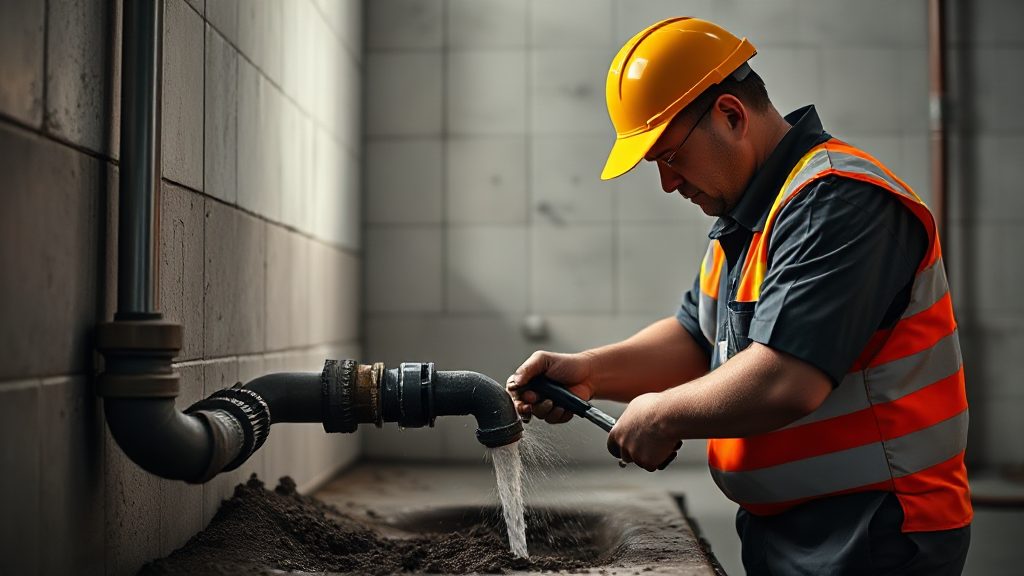
He arrived about forty minutes later with a helper and a small truck. They started at the service-area drain, used a motorized auger to break through the first blockage, then ran a camera down the line to check for roots or collapsed sections. The camera showed a grease buildup about six meters in, which they cleared with a high-pressure jet. The whole job took just over an hour.
What surprised me was the cleanup. They laid down plastic sheeting before starting and wiped down the floor afterward. I had expected a mess and got none. That is one of those details you only appreciate once you have lived through it.
Costs and What Affects the Price
I paid a mid-range price for an emergency call at night. According to what the technician explained, the final cost depends on four things:
- Time of day — nights, weekends, and holidays usually cost more.
- Type of blockage — grease and soap residue are cheaper to clear than roots or broken pipes.
- Access — a drain that is easy to reach takes less time than one behind a wall or under a slab.
- Equipment needed — a manual auger is cheaper than hydrojetting or camera inspection.
He also warned me that a quote given over the phone is always an estimate. The real price is confirmed on-site after the technician sees the pipe. Anyone who promises a fixed price without looking is guessing.
Preventing the Next Clog
Two months later, I had the same slow-drain feeling starting again. This time I acted early. I called the same desentupidora São Mateus São Paulo SP for a preventive check, and they cleared a small buildup before it became an emergency. It cost a fraction of the first visit.
Here is what I changed at home:
- I never pour cooking oil down the sink. I let it cool and throw it in the trash.
- I use a sink strainer to catch food scraps.
- Once a month, I run hot water through the drains for a few minutes.
- I schedule a professional check once a year, especially before the rainy season.
The technician also mentioned that in condominiums, the responsibility for shared pipes often falls on the building administration, not the individual owner. If several units have backups at the same time, the problem is almost certainly in the main line.
Lessons From My First Emergency
Looking back, the biggest mistake was waiting. A slow drain is a warning, not a minor annoyance. The second mistake was relying on chemical products, which can damage older pipes and rarely solve the root cause. The third was not knowing who to call before the emergency happened.
If you take one thing from this account, let it be this: save a reliable emergency number before you need it. When water is rising and you are standing in it, you do not want to be comparing search results. A quick call, a clear description of the problem, and a technician who shows up prepared will turn a stressful night into a one-hour fix.
Frequently Asked Questions
How quickly can a desentupidora arrive in São Mateus?
Response times vary by company and time of day, but emergency services typically aim to arrive within one to two hours in the São Mateus area. Calling during off-peak hours usually means a faster arrival.
Can I use chemical drain cleaner for a fully blocked drain?
It is not recommended. Chemical cleaners can damage pipes, especially older ones, and often fail to clear a full blockage. Mechanical removal by a professional is safer and more effective.
Who is responsible for clearing a shared pipe in a condominium?
Shared pipes are usually the responsibility of the building administration. If multiple units are affected at the same time, contact the síndico or building manager before hiring a service individually.
Does hydrojetting work on all types of clogs?
Hydrojetting is highly effective for grease, soap residue, and sediment. It is not suitable for pipes that are already cracked or severely damaged, which is why a camera inspection is often done first.